
Central Tribal University of Andhra Pradesh
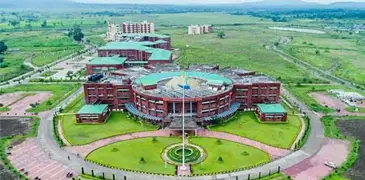
Central Tribal University, Courses & Fees Structure 2026 Vizianagaram, Andhra Pradesh | Central University | 2019 | UGC, AICTE, BCI, ASCI Claim College Share this : Facebook Instagram X-twitter Linkedin About this University Info Course & Fees Admission 2026 Facilities Info Central Tribal University of Andhra Pradesh (CTUAP), Vizianagaram is a specialized central university established in 2019 under the Central Universities Act, becoming India’s first Central Tribal University. Its establishment was mandated under the Thirteenth Schedule of the Andhra Pradesh Reorganisation Act, 2014, following the bifurcation of Andhra Pradesh. CTUAP is fully funded by the Central Government through the University Grants Commission (UGC), with a specific mission to advance the socio-economic development of tribal communities by providing accessible, high-quality higher education, with particular focus on tribal learners. Campus life at CTUAP is currently centered on a transit campus at Kondakarakam village, Vizianagaram district — hosted at Andhra University’s campus, which was designated CTUAP’s mentor university to help establish its academic and administrative operations from the 2019-20 academic year. The university has been allotted 525 acres of land in Relli village, Vizianagaram district, for its permanent campus, with ₹834 crore sanctioned by the Union Cabinet for construction (₹420 crore for Phase 1) — though as of the sources reviewed, the move to the permanent site had not yet been confirmed as complete. At CTUAP, students become part of a young, growing academic community organized into 3 Schools (Humanities & Social Sciences, Management Studies, Sciences), 13 Departments, and 14 Programs. The university held its 1st Convocation in 2026, presided over by the President of India, marking a notable institutional milestone for this still-developing university. Table of Contents Central Tribal University of Andhra Pradesh Highlights Central Tribal University of Andhra Pradesh Ranking Central Tribal University of Andhra Pradesh Popular Programs CTUAP Application and Important Dates Central Tribal University of Andhra Pradesh Cutoff Central Tribal University of Andhra Pradesh Placements Central Tribal University of Andhra Pradesh Campus Life CTUAP Infrastructure Central Tribal University of Andhra Pradesh Scholarships How to Reach CTUAP, Vizianagaram Central Tribal University of Andhra Pradesh Highlights CTUAP is India’s first Central Tribal University, established specifically to serve the tribal population’s long-cherished access to higher education, with jurisdiction extending across the whole state of Andhra Pradesh. As a central university, it is recognized by UGC and admits students through CUET, following the same national entrance-exam framework used by most other central universities in this series. Feature Details Establishment 2019, under the Central Universities Act (mandated by the AP Reorganisation Act, 2014) University Type Central University (India’s first Central Tribal University) Mentor University Andhra University (supported CTUAP’s initial academic/administrative setup) Recognition UGC-recognized; also cited as AICTE-accredited by one source Jurisdiction Entire state of Andhra Pradesh Current Campus Transit campus at Kondakarakam village (Andhra University premises); permanent 525-acre campus planned at Relli village Academic Structure 3 Schools (Humanities & Social Sciences, Management Studies, Sciences), 13 Departments, 14 Programs Programs Offered Certificate, Diploma, Undergraduate, Postgraduate, Doctoral (~20 courses) Popular Courses B.Sc. (incl. Artificial Intelligence), BBA, B.Com, MBA/PGDM, MJMC (Journalism & Mass Communication) Entrance Exams CUET UG/PG (primary route); XAT accepted for MBA/PGDM Central Tribal University of Andhra Pradesh Ranking As a young university (est. 2019), CTUAP’s ranking presence is still developing. One source cites a NIRF Overall band of 101–150, while another (less credible) source claims it is “ranked as India’s best Management institute by NIRF” — a claim that could not be independently verified and appears inconsistent with CTUAP’s still-developing scale, so it should be treated with real skepticism rather than repeated as fact. Ranking Category Rank / Band NIRF – Overall 101–150 Band (per one aggregator source) NAAC Accreditation Not consistently documented — one source explicitly lists this as blank/unconfirmed Unverified Claim (flagged, not endorsed) One source claims CTUAP is “ranked as India’s best Management institute by NIRF” — this could not be corroborated and should not be treated as reliable Note: Given CTUAP’s young age (est. 2019) and the thin, sometimes exaggerated ranking claims found across sources, treat any specific rank cited for this university with real caution and verify directly against NIRF’s official portal and ctuap.ac.in before publishing. Central Tribal University of Andhra Pradesh Popular Programs CTUAP’s popular programs span Science, Commerce, and Management — B.Sc. (including a notable Artificial Intelligence specialization), BBA, B.Com, and MBA/PGDM are among its most visible offerings. The university also runs distinctive integrated and dual-award programs, such as a BBA+MBA (Hospitality, Travel & Tourism) track and a B.Sc.+M.Sc. integrated pathway. Program Name Degree Offered Duration Approx. Total Fee B.Sc. (various, incl. AI) Bachelor of Science 3–4 Years ₹13,640 – ₹15,200 (total course) MBA (General) Master of Business Administration 2 Years ₹11,880 (total course) MA (English, and 2 other fields) Master of Arts 2 Years ₹6,600 (total course) PG Diploma (Tourism & Hospitality Mgmt., and others) Postgraduate Diploma 1 Year ₹5,000 (total course) BBA+MBA (Hospitality, Travel & Tourism) Integrated Bachelor’s + Master’s 5 Years (integrated) Verify on official CTUAP fee structure Note: Notably, CTUAP’s fees across the sources reviewed are extremely low even by central-university standards (most programs well under ₹20,000 total) — this is worth double-checking against the official prospectus, since some 2026 fee figures had “not yet been released” per one source, with older-cycle figures shown as reference instead. CTUAP Application and Important Dates Admission to CTUAP is entirely CUET-based — the university runs no entrance test of its own. Candidates must have valid CUET UG or CUET PG scores before applying, with MBA/PGDM additionally accepting XAT scores. Admissions typically open between January and July, tracking the national CUET calendar. Event 2026 Reference Date CUET UG 2026 Registration Closed by early 2026 (per one source) CUET UG 2026 Exam May 11 – May 31, 2026 (with some papers rescheduled to June 6–7, 2026, per one source) CUET PG 2026 Result Declared (per sources dated mid-2026) XAT 2026 Result (for MBA/PGDM) Declared (per sources dated mid-2026) CTUAP Admissions Window (tentative) Tentatively opened May 2026, per one source Commencement of Classes Typically following the CUET counselling
Central Sanskrit University

Central Sanskrit University, Courses & Fees Structure 2026 Janakpuri, Delhi | Central University | 1970 | UGC, AICTE, BCI, ASCI Claim College Share this : Facebook Instagram X-twitter Linkedin About this University Info Course & Fees Admission 2026 Facilities Info Central Sanskrit University (CSU), New Delhi is a specialized central university dedicated to the promotion, preservation, and academic study of Sanskrit language, literature, and classical Indian knowledge systems. Originally established in 1970 as Rashtriya Sanskrit Sansthan, it was upgraded to full central university status in 2020 under the Central Sanskrit Universities Act. CSU is described as the largest Sanskrit university in the world and the only multi-campus Sanskrit university in India, operating under the Department of Higher Education, Ministry of Education, Government of India. Campus life at CSU is spread across a genuinely unusual structure — the university operates through 12 campuses across 11 states (with Uttar Pradesh alone hosting two, in Prayagraj and Lucknow), headquartered in Janakpuri, New Delhi. Beyond its own campuses, CSU also oversees 184 affiliated institutions and 26 Adarsh Sanskrit Institutions nationwide, giving it one of the widest institutional footprints of any specialized central university in India. At CSU, students become part of a scholarly community focused on classical disciplines — Sahitya (Literature), Nyaya (Logic), Vyakarana (Grammar), Dharmasastra, Jyotish (Astrology/Astronomy), Advaita Vedanta, and related Shastraic traditions — alongside modern programs in Education (B.Ed./M.Ed.) and teacher training. The university has over 41,000 alumni globally and draws students from more than 20 countries. Table of Contents Central Sanskrit University Highlights Central Sanskrit University Ranking Central Sanskrit University Popular Programs CSU Application and Important Dates Central Sanskrit University Cutoff Central Sanskrit University Placements Central Sanskrit University Campus Life CSU Infrastructure Central Sanskrit University Scholarships How to Reach CSU, New Delhi Central Sanskrit University Highlights CSU is a specialized central university with a genuinely unusual multi-campus structure, operating 12 campuses across 11 states alongside a large network of affiliated institutions. As a central university, it is recognized by UGC; NAAC accreditation status varies notably by source (some cite ‘A’ grade, others cite ‘A++’, and one aggregator lists it as “NAAC Pending” — this is worth confirming directly before publishing). Feature Details Establishment 1970 (as Rashtriya Sanskrit Sansthan); upgraded to Central University status in 2020 University Type Central University (specialized, Sanskrit-focused) Governing Body Department of Higher Education, Ministry of Education, Government of India Accreditation UGC-recognized; NAAC grade cited variably as ‘A’, ‘A+’, or ‘A++’ across sources — confirm current grade Campuses 12 campuses across 11 states; HQ in Janakpuri, New Delhi Affiliated Network 184 affiliated institutions; 26 Adarsh Sanskrit Institutions; additional voluntary-managed Sanskrit institutions Programs Offered Diploma, Undergraduate, Postgraduate, Doctoral (23+ total courses) Popular Courses BA (Shastri), B.Ed. (Shiksha-Shastri), MA (multiple Acharya specializations), M.Ed., Ph.D. Entrance Exams CUET UG/PG (with Sanskrit as a required subject for UG); CSSET (B.Ed.); CSAET (M.Ed.); CVVET (PhD/D.Litt) Central Sanskrit University Ranking CSU’s ranking status is one of the more inconsistent data points across sources reviewed for this page — some cite a NIRF 151–200 band placement, others state it falls in NIRF’s “Not Ranked” category, and India Today reportedly ranks it 24th (category unspecified in the source). Given this inconsistency, treat the figures below as indicative rather than settled, and verify directly against the official NIRF portal before publishing. Ranking Category Rank / Band NIRF – Overall (cited by one source, 2024 cycle) 151–200 Band NIRF Status (per another source, 2026) “Not Ranked” category India Today Ranking 24th (specific category not confirmed in source) Times Higher Education (THE) Interdisciplinary Science Rankings 2026 Cited as “Top 100 Globally” in one source — this claim could not be independently corroborated and should be treated cautiously Note: Because CSU is a small, highly specialized institution, it is not consistently tracked across all ranking frameworks the way larger central universities are — several of the ranking claims above conflicted directly with each other across sources. Verify directly with NIRF’s official site and CSU’s own published rankings page before relying on any of these figures. Central Sanskrit University Popular Programs CSU’s popular programs center on Sanskrit studies and teacher education — BA (Shastri) and B.Ed. (Shiksha-Shastri) are cited as the university’s most popular offerings. Admission to UG programs requires a valid CUET UG score with Sanskrit specifically as a subject — a distinctive eligibility requirement not seen at general-purpose central universities. Program Name Degree Offered Duration Approx. Fee BA (Shastri) Bachelor of Arts in Sanskrit Shastras 3 Years (typical) Low, UGC-subsidised (see Fee Structure section) B.Ed. (Shiksha-Shastri) Bachelor of Education 2 Years (typical) ~₹17,600 (per one seat-matrix listing, 770 seats) MA (Acharya specializations — Sahitya, Vyakarana, Dharmashastra, Jyotish, Jaina Darshan, etc.) Master of Arts 2 Years ~₹11,200 (total course, per one listing) M.Ed. Master of Education 1–2 Years ~₹21,800 (per one seat-matrix listing, 150 seats) Ph.D. Doctor of Philosophy 3 Years (typical) ~₹11,000 (total course, per one listing) Note: Fee figures conflicted meaningfully across sources for the same programs — always confirm exact current fees on CSU’s official website (sanskrit.nic.in) before publishing or advising students. CSU Application and Important Dates Admission to CSU is tied closely to the national CUET calendar, since CUET scores are mandatory before candidates can even apply on CSU’s own portal. Admissions typically begin between January and June, following CUET registration, exam, and result cycles. Always check CSU’s official website for the current cycle’s exact dates. Event Typical Timing CUET UG/PG Registration & Exam (NTA) Per national CUET calendar (typically Feb–May) CSU Application Window (after CUET results) Generally January – June Merit List & Seat Allotment Following CUET result declaration B.Ed. Admission (separate track) Via CSSET exam + interview M.Ed. Admission (separate track) Via valid CSAET score PhD/D.Litt Admission (separate track) Via CVVET entrance exam Commencement of Classes Typically following the general central university calendar (August–September) Note: Candidates cannot apply to CSU before CUET results are declared, since CUET scores are mandatory for merit list preparation — this differs from universities that accept early applications alongside separate entrance processes. Central Sanskrit University Cutoff CSU’s cutoffs
Central Agricultural University
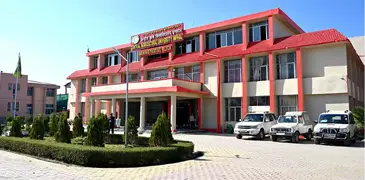
Central Agriculture University, Courses & Fees Structure 2026 Imphal West, Manipur | Central University | 1993 | UGC, AICTE, BCI, ASCI Claim College Share this : Facebook Instagram X-twitter Linkedin About this University Info Course & Fees Admission 2026 Facilities Info Central Agricultural University (CAU), Imphal is a specialized central university established on 26 January 1993 under the Central Agricultural University Act, 1992. Headquartered in Lamphelpat, Imphal, Manipur, CAU is unique among India’s central universities in being dedicated entirely to agriculture and allied sciences, governed by the Department of Agricultural Research and Education (DARE), Government of India. It offers programs across agriculture, horticulture, fisheries, veterinary and animal sciences, forestry, home science, and agricultural engineering, delivered through 13 constituent colleges spread across the Northeastern states. Campus life at CAU is shaped by its unusual, decentralized structure — rather than one large single campus, the university operates through 13 constituent colleges across Manipur and neighbouring Northeastern states, each with its own hostels, labs, and facilities suited to local agro-climatic conditions. Students get hands-on exposure through experimental farms, veterinary clinics, fisheries units, and engineering workshops alongside classroom learning. At CAU, students become part of a research-oriented academic community focused on agricultural development relevant to Northeast India’s specific ecology and farming conditions. The university has received recognition including the FICCI Higher Education Excellence Award (2018) and the Pandit Deendayal Upadhyay Rashtriya Krishi Vigyan Protsahan Puraskar (2016) from ICAR. Table of Contents Central Agricultural University Highlights Central Agricultural University Ranking Central Agricultural University Popular Programs CAU Application and Important Dates Central Agricultural University Cutoff Central Agricultural University Placements Central Agricultural University Campus Life CAU Infrastructure Central Agricultural University Scholarships How to Reach CAU, Imphal Central Agricultural University Highlights CAU is a specialized agricultural central university operating through 13 constituent colleges rather than a single unified campus. It is UGC-recognized and ICAR-accredited, with admission to most undergraduate agriculture programs following the national ICAR AIEEA framework. Being purpose-built for agricultural sciences, CAU’s programs are strongly research- and field-oriented rather than broad multi-disciplinary offerings. Feature Details Establishment Date 26 January 1993, under the Central Agricultural University Act, 1992 University Type Central University (specialized, agriculture-focused) Governing Body Department of Agricultural Research and Education (DARE), Government of India Accreditations UGC-recognized; ICAR-accredited (B.Sc Agriculture and allied programs) Constituent Colleges 13 colleges across Manipur and neighbouring Northeastern states Headquarters Lamphelpat, Imphal, Manipur Programs Offered Undergraduate, Postgraduate, Doctoral (47 total courses) Popular Courses B.Sc (Agriculture), B.Sc (Horticulture), B.F.Sc (Fisheries Science), B.Tech (Food Process Engineering), M.Sc/M.F.Sc, Ph.D Entrance Exams ICAR AIEEA UG/PG, State Nomination, Self-Financed Seat route, CUET (select courses) Central Agricultural University Ranking CAU is ranked specifically within NIRF’s Agriculture and Allied Sectors category rather than competing broadly in the general “Universities” category, reflecting its specialized mandate. Rankings vary year to year, so figures below reflect the most recent published results (NIRF 2025) as of mid-2026 — always check the official NIRF site for the latest cycle before publishing. Ranking Category Rank / Band NIRF – Agriculture & Allied Sectors (2025) 24th in India (score 52.97) — improved from 29th in 2024 NIRF – Overall/Universities (2025) 151–200 Band in India NIRF – Overall (2019, historical reference) 151–200 Band Recognition FICCI Higher Education Excellence Award (2018) ICAR Recognition Pandit Deendayal Upadhyay Rashtriya Krishi Vigyan Protsahan Puraskar 2016 (Zone-VI), via KVK East Siang, Arunachal Pradesh Note: CAU’s Agriculture & Allied Sectors ranking (24th) is meaningfully stronger than its broad overall/university-category ranking (151–200 band) — a pattern typical of specialized institutions that shouldn’t be read as inconsistency, but as a reflection of NIRF’s category-specific evaluation. Central Agricultural University Popular Programs CAU’s popular programs are concentrated in agriculture and allied fields — B.Sc (Agriculture), B.Sc (Horticulture), B.F.Sc (Fisheries Science), and B.Tech (Food Process Engineering) are among the most sought-after, reflecting the university’s specialized mandate. Admission to most undergraduate seats runs through the national ICAR AIEEA exam, State Nomination, or Self-Financed Seats, rather than a university-specific test. Program Name Degree Offered Duration Approx. Fee B.Sc (Agriculture) Bachelor of Science in Agriculture 4 Years ~₹4 Lakhs (total course, per comparative listings) B.Sc (Horticulture) Bachelor of Science in Horticulture 4 Years Comparable to B.Sc Agriculture (verify current figure) B.F.Sc Bachelor of Fisheries Science 4 Years Verify on official CAU fee structure B.Tech (Food Process Engineering) Bachelor of Technology 4 Years Verify on official CAU fee structure MBA Master of Business Administration (agri-focused) 2 Years Verify on official CAU fee structure Note: Detailed, per-course fee breakdowns were not consistently published across the sources reviewed — CAU’s fee structure combines tuition, hostel, and caution deposit components that vary by college and specialization. Always confirm exact figures on the official CAU admissions portal before publishing or advising students. CAU Application and Important Dates Admission to CAU runs primarily through the national ICAR AIEEA exam (UG and PG), alongside State Nomination and Self-Financed Seat routes; select PG courses (like M.Sc Agriculture/Horticulture) have their own admission windows. Always check the official CAU website for the current cycle’s exact dates, since they can shift year to year and vary by course/college. Event Typical Timing (2026 cycle reference) UG/PG Registration Last Date (2026 cycle) April 23, 2026 (per one notice; verify current cycle) M.Sc (Agriculture/Horticulture) Admission Window 2nd week of June, with deadline around June 30, 2026 (per one notice) ICAR AIEEA Exam & Result Results/declaration window around July 2026 (per one notice) Academic Session Commencement August – September (typical) Note: CAU’s admission calendar is less consistently documented across sources than larger central universities — the dates above are drawn from limited notices and should be treated as indicative only. Confirm exact dates directly on CAU’s official website before applying or advising applicants. Central Agricultural University Cutoff CAU admits most undergraduate students through the ICAR AIEEA exam, alongside State Nomination and Self-Financed Seat categories. Cutoffs vary by course, college, category, and the specific admission route (State Nomination seats typically follow different criteria than ICAR AIEEA seats). Program Entrance/Admission Route Typical Basis B.Sc (Agriculture) ICAR AIEEA UG National merit rank-based, ICAR-administered B.Sc (Horticulture/Home Science) ICAR AIEEA UG
Banaras Hindu University

Banaras Hindu University, Courses & Fees Structure 2026 Varanasi, Uttar Pradesh | Central University | 1916 | UGC, AICTE, BCI, ASCI Claim College Share this : Facebook Instagram X-twitter Linkedin About this University Info Course & Fees Admission 2026 Facilities Info Banaras Hindu University (BHU), Varanasi is one of India’s oldest and most prestigious central universities. Established in 1916 by Pandit Madan Mohan Malaviya, BHU is known for its academic excellence, sprawling heritage campus, and strong research culture across a remarkable breadth of disciplines — from engineering and medicine to Sanskrit studies and fine arts. BHU is a UGC-recognized central university, holds the status of an Institute of Eminence (IoE), and is NAAC-accredited with an ‘A’ grade. Its engineering faculty, the Indian Institute of Technology (BHU) Varanasi, is one of India’s premier IITs, admitted separately via JEE Advanced rather than CUET. Campus life at BHU is shaped by its scale and diversity — the university spans roughly 1,300 acres, making it one of the largest residential university campuses in Asia. Students get access to hostels, sports facilities, cultural societies, and religious/heritage landmarks within the campus itself, including the New Vishwanath Temple. With over 600 courses spanning nearly every academic discipline, BHU offers one of the broadest program catalogues of any Indian university. At BHU, students become part of a century-old academic tradition that blends Indian classical scholarship with modern professional education. Institutes like the Institute of Medical Sciences (IMS-BHU) and IIT-BHU carry strong individual reputations within the larger university, and the campus’s scale and heritage make it a defining feature of student life. Table of Contents Banaras Hindu University Highlights Banaras Hindu University Ranking Banaras Hindu University Popular Programs BHU Application and Important Dates Banaras Hindu University Cutoff Banaras Hindu University Placements Banaras Hindu University Campus Life BHU Infrastructure Banaras Hindu University Scholarships How to Reach BHU, Varanasi Banaras Hindu University Highlights BHU offers advanced infrastructure and quality education across dozens of faculties and institutes, including IIT-BHU (Engineering) and IMS-BHU (Medical Sciences). As a central university with Institute of Eminence status, it maintains strong ties with UGC and is accredited by NAAC with an ‘A’ grade. Its scale — over 1,300 acres and 600+ courses — makes it one of the largest and most academically diverse universities in India. Feature Details Establishment Year 1916 (by Pandit Madan Mohan Malaviya) University Type Central University; Institute of Eminence (IoE) Accreditations UGC, NAAC ‘A’ Grade Campus Area ~1,300 Acres Notable Constituent Institutes IIT-BHU (Engineering), IMS-BHU (Medical Sciences) Total Courses 600+ across UG, PG, Diploma, and Doctoral levels Mode of Education Full-time (regular, on-campus); some Part-time options Popular Courses B.Tech (IIT-BHU), MBBS, MBA, BA/B.Sc (Hons), B.A. LLB Entrance Exams JEE Advanced (IIT-BHU B.Tech), NEET (MBBS/BDS), CUET (most UG/PG), CAT (MBA) Banaras Hindu University Ranking BHU is consistently ranked among India’s top universities across multiple frameworks, with particular strength in Medical and Agriculture. Rankings vary slightly by year and by which framework is cited, so figures below reflect the most recent published results (NIRF 2025) as of mid-2026 — check the official NIRF site for the latest cycle before publishing. Ranking Category Rank / Band NIRF – Overall (2025) 10th in India (score 70.05) NIRF – Universities category (2025) 6th in India NIRF – Medical (2025) 6th in India NIRF – Agriculture (2025) 4th in India NIRF – Dental (2025) 15th in India (score 60.14) NIRF – Research Institutions (2025) 16th in India NIRF – Management (2025) 60th in India QS World University Rankings 2026 551–700 Global Band QS India Overall 2025 11th in India Times Higher Education (THE) World Rankings 2026 ~501 Global Band Banaras Hindu University Popular Programs BHU’s popular programs span an unusually wide range, with B.Tech (via IIT-BHU), MBBS (via IMS-BHU), and MBA among the most sought-after due to strong placement outcomes and institutional reputation. Admission routes differ notably by program: IIT-BHU’s B.Tech uses JEE Advanced (like other IITs), MBBS uses NEET, most other UG/PG programs use CUET, and MBA uses CAT. Program Name Degree Offered Duration Approx. Total Fee B.Tech (IIT-BHU) Bachelor of Technology 4 Years ~₹3.2 Lakhs – ₹8 Lakhs MBA Master of Business Administration 2 Years ~₹10,200 – ₹2.2 Lakhs MBBS Bachelor of Medicine, Bachelor of Surgery 5.5 Years Regular seats notably low (UGC-subsidised); paid seats higher B.Sc (Hons) Bachelor of Science (Honours) 3 Years ~₹600 – ₹2.4 Lakhs (regular vs. paid seats) M.Sc Master of Science 2 Years ~₹5,610 – ₹29,310 Note: BHU’s fee structure splits into “regular seats” (lower, merit-based) and “paid seats” (higher, for candidates below the regular cutoff) — this two-tier system is distinctive to BHU. Fees vary by category, specialization, and year; always confirm on the official BHU admissions portal. BHU Application and Important Dates Admission to BHU runs across multiple parallel tracks depending on the program — JEE Advanced/JoSAA for IIT-BHU, NEET counselling for MBBS/BDS, CUET for most UG/PG courses, and CAT for MBA. Because of this, “important dates” differ significantly by course. Always check the official BHU website for the current cycle’s exact dates for your specific program. Event Typical Timing / Track CUET UG/PG Registration & Exam March – May (via NTA) BHU CUET Counselling (CAP rounds) June – August (multiple rounds; Round 3 seat allotment around Aug 12, 2026 in the 2026 cycle) JEE Advanced / JoSAA (IIT-BHU B.Tech) May – June exam; JoSAA counselling through June–July NEET UG (MBBS/BDS) May exam; counselling registration through mid-2026 CAT (MBA) Registration Aug–Sep; exam late November Commencement of Classes August – September (typical, program-dependent) Banaras Hindu University Cutoff Because BHU spans multiple admission tracks, cutoffs vary widely by program and entrance exam. IIT-BHU’s engineering cutoffs (via JEE Advanced/JoSAA) are highly competitive, while CUET-based UG programs and MBBS (via NEET) each carry separate cutoff ranges that shift every year by category and seat type (regular vs. paid). Program Entrance Exam Recent Cutoff Reference B.Tech (IIT-BHU, CSE) JEE Advanced Closing rank ~1,489 (General, recent cycle) B.Tech (IIT-BHU, other branches) JEE Advanced Closing ranks ranged ~1,489 – 14,447 (General, recent cycle) MBBS NEET Closing
Babasaheb Bhimrao Ambedkar University

Aligarh Muslim University, Courses & Fees Structure 2026 Aligarh, Uttar Pradesh | Central University | 1920 | UGC, AICTE, BCI, ASCI Claim this Page Share this : Facebook Instagram X-twitter Linkedin About this University Info Course & Fees Admission 2026 Facilities Training & Placement R&A Program Rating and Reviews News & Articles Info Aligarh Muslim University (AMU), Aligarh is one of India’s oldest and most reputed central universities. Established in 1920 (tracing its roots to the Muhammadan Anglo-Oriental College founded in 1875), AMU is known for its academic excellence, historic Indo-Islamic architecture, and strong research culture. It offers programs across disciplines such as engineering, medicine, law, management, arts, and sciences. AMU is a UGC-approved central university, NAAC-accredited with an ‘A+’ grade, and a member of the Association of Indian Universities (AIU). Campus life at AMU is vibrant and deeply rooted in tradition. The university encourages participation in cultural fests, sports, debate, drama, and literary societies. With 20+ hostels for boys and girls, students get a residential campus experience alongside academics. AMU’s campus, spread over roughly 1,155 acres, is one of the largest university campuses in India and blends heritage buildings with modern academic infrastructure. At AMU, students get the chance to be part of a multicultural, multilingual community with a century-old legacy. Annual events, sports meets, and cultural festivals are celebrated with enthusiasm, and the Maulana Azad Library — one of the largest university libraries in Asia — remains a defining feature of student life. Table of Contents Aligarh Muslim University Highlights Aligarh Muslim University Ranking Aligarh Muslim University Popular Programs AMU Application and Important Dates Aligarh Muslim University Cutoff Aligarh Muslim University Placements Aligarh Muslim University Campus Life AMU Infrastructure Aligarh Muslim University Scholarships How to Reach AMU, Aligarh Aligarh Muslim University Highlights AMU offers advanced infrastructure, historic academic buildings, and quality education across dozens of faculties. As a central university, it maintains strong ties with UGC and is accredited by NAAC with an ‘A+’ grade (CGPA 3.35/4). AMU is recognized as an “Institution of National Importance” under the Indian Constitution (Article 246, Seventh Schedule). Its scale — over 1,150 acres and dozens of faculties — makes it one of India’s largest residential universities. Feature Details Establishment Year 1920 (as AMU); origins in 1875 as MAO College University Type Central University Accreditations UGC, NAAC ‘A+’ (CGPA 3.35/4), AIU Member Campus Area ~1,155 Acres Hostel Facilities 20+ Hostels (Separate for Boys and Girls) Library Maulana Azad Library — one of Asia’s largest university libraries Programs Offered Diploma, Undergraduate, Postgraduate, Doctoral Mode of Education Full-time (regular, on-campus) Popular Courses B.Tech, MBA, BA LLB, MBBS, BA/B.Sc/B.Com (Hons) Entrance Exams AMUEEE (B.Tech), AMU Law Entrance, MBA Entrance, NEET (MBBS), Course-specific tests Aligarh Muslim University Ranking AMU is consistently ranked among India’s top central universities. Rankings vary slightly by year and by which framework is cited, so figures below reflect the most recent published results as of 2025–2026 — check the official NIRF and AMU ranking pages for the latest cycle before publishing. Ranking Category Rank / Band NIRF – Overall (2025) 28th in India NIRF – Universities category (2024) 8th in India NIRF – Engineering 34th in India NIRF – Law 9th–12th in India (varies by year) NIRF – Research Institutions 28th in India QS World University Rankings 2026 1001–1200 Band Times Higher Education (THE) World Rankings 2026 601–800 Global Band THE Asia University Rankings 2026 186th in Asia MDRA–India Today University Rankings 2025 3rd among General (Government) Universities Aligarh Muslim University Popular Programs AMU’s application process covers a wide range of programs, with B.Tech, MBA, BA LLB, and MBBS being among the most sought-after due to strong placement outcomes and reputation. Admission to most programs is through AMU’s own entrance exams (AMUEEE for engineering, separate tests for law, MBA, and other courses), rather than a single centralized cutoff. Program Name Degree Offered Duration Approx. Annual Fee B.Tech Bachelor of Technology 4 Years ~₹60,000 – ₹65,000 MBA Master of Business Administration 2 Years ~₹1,00,000 – ₹3,00,000 (specialization-dependent) BA LLB Bachelor of Arts + Bachelor of Law 5 Years ~₹40,000 – ₹45,000 MBBS Bachelor of Medicine, Bachelor of Surgery 5.5 Years ~₹2,09,000 (total course) B.Sc (Hons) Bachelor of Science (Honours) 3 Years Low, UGC-subsidised Note: Fees vary by category, specialization, and year; always confirm on the official AMU admissions portal. AMU Application and Important Dates Admission to AMU is primarily through its own entrance examinations, conducted separately for different faculties. Applications typically open at the start of the calendar year, with entrance tests held mid-year. Always check the official AMU website for the current cycle’s exact dates, since they can shift year to year. Event Typical Timing Application Start January – February Application Fee ₹600 – ₹900 (UG/PG, varies by course) Last Date to Apply Varies by faculty (commonly Jan–Feb) Entrance Exam (AMUEEE, Law, MBA, etc.) April – June Result Announcement June – July Commencement of Classes August – September Aligarh Muslim University Cutoff AMU admits students mainly through its own entrance exams rather than board-marks-based merit lists for most competitive programs. Cutoffs (qualifying ranks/scores) vary each year by course, category (General/OBC/SC/ST/PwD), and number of seats. Historically, AMU has also accepted JEE Main scores as an alternative route for some engineering seats. Program Entrance Exam Typical Basis B.Tech AMUEEE / JEE Main (select seats) Entrance rank-based MBA AMU MBA Entrance Test Entrance score-based BA LLB AMU Law Entrance Test Entrance score-based MBBS NEET NEET score/rank-based UG (BA/B.Sc/B.Com) AMU UG Entrance Test Entrance score-based Note: Exact cutoff percentiles/ranks fluctuate every year — refer to AMU’s official admission bulletin for current figures. Aligarh Muslim University Placements AMU’s placement cell works with recruiters across IT, core engineering, banking, and consulting sectors. Placement outcomes vary notably by faculty — engineering (Zakir Husain College of Engineering and Technology) and management report the most active recruitment drives. Metric (2025 cycle) Figure B.Tech graduates placed 243 students M.Tech graduates placed 21 students MBA graduates placed 162 students Median B.Tech package ₹6.1 LPA Median M.Tech package ₹6 LPA Median MBA package
Assam University
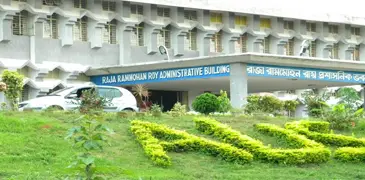
Assam University, Courses & Fees Structure 2026 Cachar, Assam | Central University | 1994 | UGC, AICTE, BCI, ASCI Claim College Share this : Facebook Instagram X-twitter Linkedin About this University Info Course & Fees Admission 2026 Facilities Training & Placement R & A Program Rating & Reviews News and Article Info Assam University, Silchar (AUS) is a central university established in 1994 under the Assam (Central) University Act, 1989. Located in the Barak Valley region of Assam, amid the Barail hills, AUS is recognized by the UGC and AICTE, and is NAAC-accredited with an ‘A’ grade. It offers programs across disciplines such as engineering, pharmacy, management, law, science, and the humanities, with a strong emphasis on research relevant to Northeast India, including environmental sciences and biodiversity studies. Campus life at AUS is shaped by its scenic, forested setting — the university’s ~600-acre campus includes eco-forests amid the Barail hills, offering a peaceful, research-friendly environment. With five boys’ and five girls’ hostels, students get a residential campus experience alongside academics. AUS draws students from diverse states and cultures, and the university celebrates a mix of religious and cultural festivals, sports events, and departmental activities throughout the year. At AUS, students become part of a close-knit academic community serving one of India’s more remote and underserved higher-education regions. The university returned to NIRF’s top-100 university rankings in 2025 after a six-year gap, reflecting renewed institutional momentum in research output and academic perception. Table of Contents Assam University Highlights Assam University Ranking Assam University Popular Programs Assam University Application and Important Dates Assam University Cutoff Assam University Placements Assam University Campus Life Assam University Infrastructure Assam University Scholarships How to Reach Assam University, Silchar Assam University Highlights Assam University offers a UGC-funded academic environment spanning engineering, pharmacy, law, management, and sciences, with particular strength in Pharmacy nationally. As a central university, it is accredited by NAAC with an ‘A’ grade and recognized by UGC and AICTE. AUS made a notable comeback into NIRF’s top-100 university rankings in 2025 after a six-year absence, a milestone the university’s leadership has credited to improved research output and institutional visibility. Feature Details Establishment Year 1994 (under the Assam (Central) University Act, 1989) University Type Central University Accreditations UGC, AICTE, PCI, BCI, NAAC ‘A’ Grade Campus Area ~600 Acres, amid the Barail hills Hostel Facilities 5 Boys’ + 5 Girls’ Hostels (~₹5,000/year) Library Central Library with 2 lakh+ volumes Total Courses ~156 across UG, PG, and Doctoral levels Mode of Education Full-time (regular, on-campus) Popular Courses B.Tech, B.Pharm, MBA, BA LLB (Hons), B.Sc + B.Ed (Integrated), M.Sc Entrance Exams JEE Main (B.Tech, via JoSAA/CSAB), CUET UG/PG (most courses), CAT/XAT/CMAT/MAT (MBA), GATE (M.Tech) Assam University Ranking Assam University made a significant comeback in national rankings in 2025, re-entering NIRF’s top 100 for universities after a six-year gap, with particular strength in Pharmacy. Rankings vary year to year, so figures below reflect the most recent published results (NIRF 2025) as of mid-2026 — always check the official NIRF site for the latest cycle before publishing. Ranking Category Rank / Band NIRF – Universities category (2025) 97th in India (score 47.28) — return to top 100 after 6 years NIRF – Overall (2025) 101–150 Band in India NIRF – Pharmacy (2025) 76th in India (score 44.24) — 3rd in Assam IIRF – Overall (2026) 36th in India (out of 50 ranked) IIRF – B.Tech (2026) 98th in India (out of 146 ranked) Collegedunia – Education (2026) 42nd in India (out of 200 ranked) QS World University Rankings – Asia (2026) ~1001 Band (declined ~250 ranks from prior year) QS World University Rankings – Southern Asia (2026) ~330 Band Note: AUS’s QS rankings have declined in the last two consecutive cycles, even as its NIRF domestic ranking improved — worth flagging as a mixed picture depending on which ranking framework is referenced. Assam University Popular Programs AUS’s popular programs include B.Tech, B.Pharm, MBA, and the integrated BA LLB (Hons), with admission routes differing notably by program. Unlike many central universities, AUS’s B.Tech admission runs through JEE Main and JoSAA/CSAB counselling (AUS is classified as a GFTI — Government Funded Technical Institute) rather than CUET, while most other UG/PG programs use CUET. Program Name Degree Offered Duration Approx. Total/Annual Fee B.Tech Bachelor of Technology 4 Years ~₹7,200 – ₹3.3 Lakhs (varies significantly by source/branch) MBA Master of Business Administration 2 Years ~₹81,020/year (total ~₹1.6 Lakhs) BA LLB (Hons) Bachelor of Arts + Bachelor of Law 5 Years ~₹1.41 Lakhs (total course; ~₹30,120 first year) B.Pharm Bachelor of Pharmacy 4 Years ~₹36,000 – ₹42,000/year M.Sc (11 specializations) Master of Science 2 Years ~₹14,020 – ₹21,920/year Note: Fee figures vary meaningfully across sources for B.Tech in particular; always confirm on the official Assam University admissions portal before publishing or advising students. Assam University Application and Important Dates Admission to AUS runs across multiple tracks: JEE Main + JoSAA/CSAB for B.Tech, CUET UG/PG for most other programs, and CAT/XAT/CMAT/MAT for MBA. Applications generally close by late July, with academic sessions commencing shortly after. Always check the official AUS website for the current cycle’s exact dates. Event Typical Timing CUET UG 2026 Exam Window May 11 – May 31, 2026 JEE Main Session 2 (for B.Tech) April 2 – 9, 2026 (2026 cycle) PG Admissions (via CUET PG) January 15 – April 30, 2026 (2026 cycle) CAT Registration (for MBA) Typically opens late August/September Last Date to Apply (general) Last week of July (typical) Commencement of Classes August – September (typical) Assam University Cutoff Assam University admits students through a mix of JEE Main (B.Tech), CUET (most UG/PG), and management-specific exams (MBA). Cutoffs vary widely by course, round, and category — B.Tech cutoffs in particular can involve closing ranks in the tens of thousands to over a lakh, reflecting the scale of JEE Main’s applicant pool relative to AUS’s specific seat allocation. Program Entrance Exam Recent Cutoff Reference B.Tech (CSE) JEE Main / JoSAA-CSAB Closing rank ~50,021–98,436 (General AI, varies by round/year) B.Tech (ECE) JEE
Aligarh Muslim University
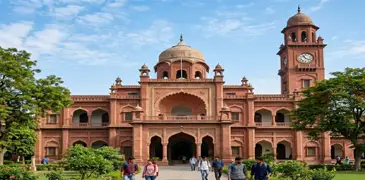
Aligarh Muslim University, Courses & Fees Structure 2026 Aligarh, Uttar Pradesh | Central University | 1920 | UGC, AICTE, BCI, ASCI Claim this Page Share this : Facebook Instagram X-twitter Linkedin About this University Info Course & Fees Admission 2026 Facilities Training & Placement R&A Program Rating and Reviews News & Articles Info Aligarh Muslim University (AMU), Aligarh is one of India’s oldest and most reputed central universities. Established in 1920 (tracing its roots to the Muhammadan Anglo-Oriental College founded in 1875), AMU is known for its academic excellence, historic Indo-Islamic architecture, and strong research culture. It offers programs across disciplines such as engineering, medicine, law, management, arts, and sciences. AMU is a UGC-approved central university, NAAC-accredited with an ‘A+’ grade, and a member of the Association of Indian Universities (AIU). Campus life at AMU is vibrant and deeply rooted in tradition. The university encourages participation in cultural fests, sports, debate, drama, and literary societies. With 20+ hostels for boys and girls, students get a residential campus experience alongside academics. AMU’s campus, spread over roughly 1,155 acres, is one of the largest university campuses in India and blends heritage buildings with modern academic infrastructure. At AMU, students get the chance to be part of a multicultural, multilingual community with a century-old legacy. Annual events, sports meets, and cultural festivals are celebrated with enthusiasm, and the Maulana Azad Library — one of the largest university libraries in Asia — remains a defining feature of student life. Table of Contents Aligarh Muslim University Highlights Aligarh Muslim University Ranking Aligarh Muslim University Popular Programs AMU Application and Important Dates Aligarh Muslim University Cutoff Aligarh Muslim University Placements Aligarh Muslim University Campus Life AMU Infrastructure Aligarh Muslim University Scholarships How to Reach AMU, Aligarh Aligarh Muslim University Highlights AMU offers advanced infrastructure, historic academic buildings, and quality education across dozens of faculties. As a central university, it maintains strong ties with UGC and is accredited by NAAC with an ‘A+’ grade (CGPA 3.35/4). AMU is recognized as an “Institution of National Importance” under the Indian Constitution (Article 246, Seventh Schedule). Its scale — over 1,150 acres and dozens of faculties — makes it one of India’s largest residential universities. Feature Details Establishment Year 1920 (as AMU); origins in 1875 as MAO College University Type Central University Accreditations UGC, NAAC ‘A+’ (CGPA 3.35/4), AIU Member Campus Area ~1,155 Acres Hostel Facilities 20+ Hostels (Separate for Boys and Girls) Library Maulana Azad Library — one of Asia’s largest university libraries Programs Offered Diploma, Undergraduate, Postgraduate, Doctoral Mode of Education Full-time (regular, on-campus) Popular Courses B.Tech, MBA, BA LLB, MBBS, BA/B.Sc/B.Com (Hons) Entrance Exams AMUEEE (B.Tech), AMU Law Entrance, MBA Entrance, NEET (MBBS), Course-specific tests Aligarh Muslim University Ranking AMU is consistently ranked among India’s top central universities. Rankings vary slightly by year and by which framework is cited, so figures below reflect the most recent published results as of 2025–2026 — check the official NIRF and AMU ranking pages for the latest cycle before publishing. Ranking Category Rank / Band NIRF – Overall (2025) 28th in India NIRF – Universities category (2024) 8th in India NIRF – Engineering 34th in India NIRF – Law 9th–12th in India (varies by year) NIRF – Research Institutions 28th in India QS World University Rankings 2026 1001–1200 Band Times Higher Education (THE) World Rankings 2026 601–800 Global Band THE Asia University Rankings 2026 186th in Asia MDRA–India Today University Rankings 2025 3rd among General (Government) Universities Aligarh Muslim University Popular Programs AMU’s application process covers a wide range of programs, with B.Tech, MBA, BA LLB, and MBBS being among the most sought-after due to strong placement outcomes and reputation. Admission to most programs is through AMU’s own entrance exams (AMUEEE for engineering, separate tests for law, MBA, and other courses), rather than a single centralized cutoff. Program Name Degree Offered Duration Approx. Annual Fee B.Tech Bachelor of Technology 4 Years ~₹60,000 – ₹65,000 MBA Master of Business Administration 2 Years ~₹1,00,000 – ₹3,00,000 (specialization-dependent) BA LLB Bachelor of Arts + Bachelor of Law 5 Years ~₹40,000 – ₹45,000 MBBS Bachelor of Medicine, Bachelor of Surgery 5.5 Years ~₹2,09,000 (total course) B.Sc (Hons) Bachelor of Science (Honours) 3 Years Low, UGC-subsidised Note: Fees vary by category, specialization, and year; always confirm on the official AMU admissions portal. AMU Application and Important Dates Admission to AMU is primarily through its own entrance examinations, conducted separately for different faculties. Applications typically open at the start of the calendar year, with entrance tests held mid-year. Always check the official AMU website for the current cycle’s exact dates, since they can shift year to year. Event Typical Timing Application Start January – February Application Fee ₹600 – ₹900 (UG/PG, varies by course) Last Date to Apply Varies by faculty (commonly Jan–Feb) Entrance Exam (AMUEEE, Law, MBA, etc.) April – June Result Announcement June – July Commencement of Classes August – September Aligarh Muslim University Cutoff AMU admits students mainly through its own entrance exams rather than board-marks-based merit lists for most competitive programs. Cutoffs (qualifying ranks/scores) vary each year by course, category (General/OBC/SC/ST/PwD), and number of seats. Historically, AMU has also accepted JEE Main scores as an alternative route for some engineering seats. Program Entrance Exam Typical Basis B.Tech AMUEEE / JEE Main (select seats) Entrance rank-based MBA AMU MBA Entrance Test Entrance score-based BA LLB AMU Law Entrance Test Entrance score-based MBBS NEET NEET score/rank-based UG (BA/B.Sc/B.Com) AMU UG Entrance Test Entrance score-based Note: Exact cutoff percentiles/ranks fluctuate every year — refer to AMU’s official admission bulletin for current figures. Aligarh Muslim University Placements AMU’s placement cell works with recruiters across IT, core engineering, banking, and consulting sectors. Placement outcomes vary notably by faculty — engineering (Zakir Husain College of Engineering and Technology) and management report the most active recruitment drives. Metric (2025 cycle) Figure B.Tech graduates placed 243 students M.Tech graduates placed 21 students MBA graduates placed 162 students Median B.Tech package ₹6.1 LPA Median M.Tech package ₹6 LPA Median MBA package